

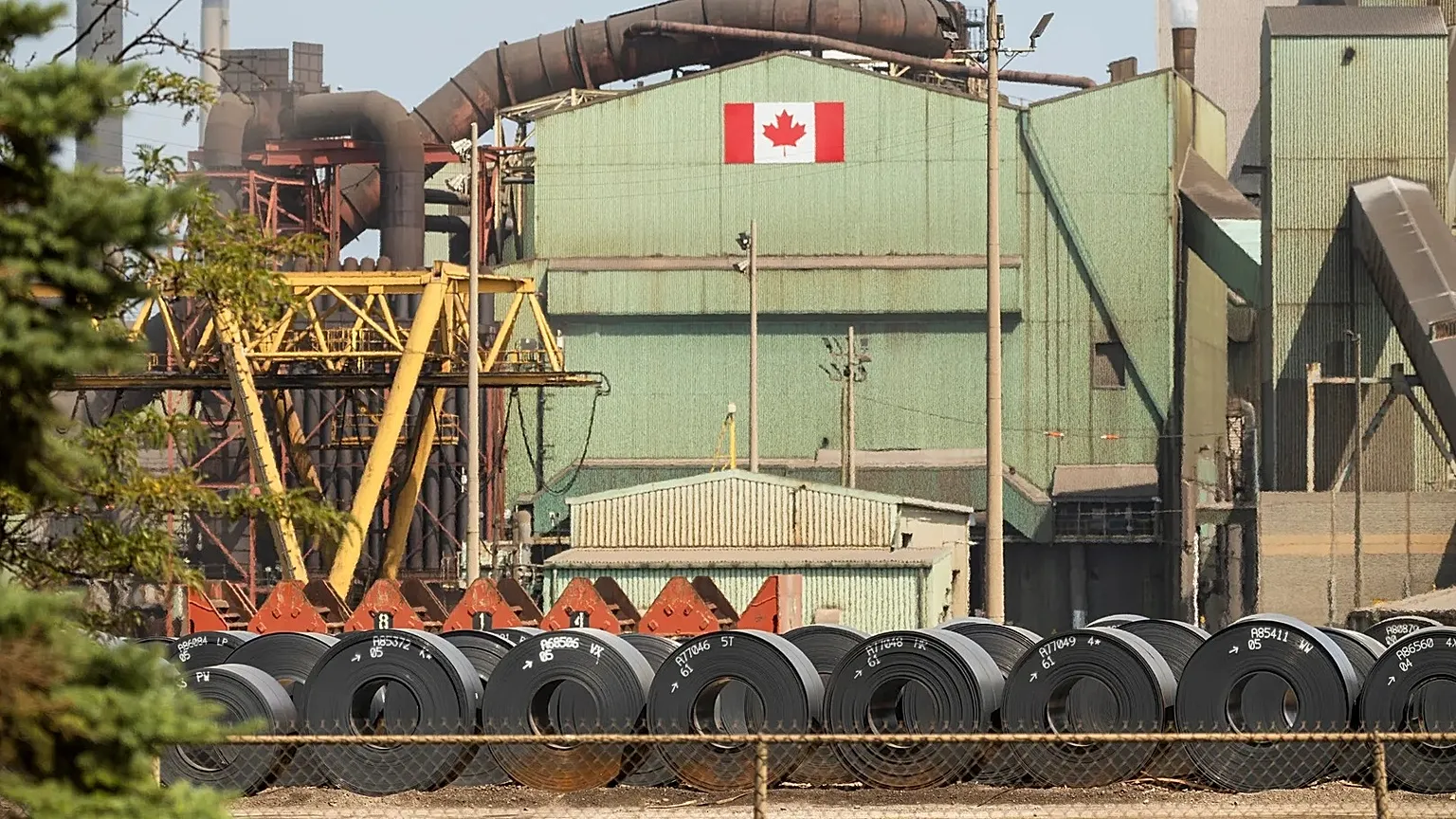
OTTAWA / WASHINGTON — Canada has imposed retaliatory tariffs on about $20 billion worth of U.S. goods, escalating an 18-month trade dispute between the two countries as negotiations remain stalled. The new duties took effect shortly after midnight Tuesday and cover hundreds of American products, including steel, furniture, clothing, electronics and other manufactured goods.
The measures represent a direct response to tariffs imposed by the United States on Canadian products. Canadian Prime Minister Mark Carney’s government has said the new duties are intended to match Washington’s tariffs on a dollar-for-dollar basis while putting additional pressure on the United States to return to negotiations.
The escalation comes after trade discussions between Washington and Ottawa broke down in August. Both governments have blamed the other side for the failure to reach an agreement, leaving businesses on both sides of the border facing greater uncertainty over costs, supply chains and future investment.
U.S. Businesses Face Higher Costs
The Canadian tariffs affect a wide range of American products sold into the Canadian market. Duties range from 15% to 50%, depending on the product, creating the potential for higher prices and reduced demand for U.S. exporters.
Industries affected include manufacturing, agriculture, consumer goods and equipment. Steel and other industrial products face particularly high tariff rates, while consumer products and machinery are also among the categories affected.
For American companies that rely heavily on Canadian customers, the tariffs could increase the final cost of products in one of the United States' largest export markets. Businesses may respond by absorbing part of the additional cost, raising prices, changing suppliers or attempting to shift production.
“American manufacturers and cross-border logistics operators now face immediate margin pressures. With bilateral trade exceeding two billion dollars a day, these tariffs disrupt finely tuned just-in-time supply chains across the entire industrial heartland,” remarked trade policy analysts.
The impact could also extend beyond companies that directly export to Canada. Manufacturers with integrated North American supply chains may face higher costs if components cross the border multiple times before reaching consumers.
Trade Dispute Adds Pressure to North American Economy
The latest measures deepen uncertainty for businesses operating across the U.S.-Canada border. Canada and the United States have one of the world's largest trading relationships, meaning prolonged restrictions could affect manufacturers, retailers, farmers, transportation companies and other industries.
Canadian officials have also announced financial support measures for businesses and workers affected by the dispute. The government previously outlined a C$7.5 billion package intended to help companies manage the economic effects of the tariffs and protect employment.
The dispute is also raising questions about the future of the North American trade framework. Companies that depend on predictable cross-border rules could face additional uncertainty if the tariff conflict continues or expands into more industries.
No Immediate Trade Deal in Sight
The latest tariffs took effect after negotiations failed to produce a new agreement. There were hopes that the two governments could resolve their differences before the measures came into force, but those efforts did not result in a deal.
Canadian officials have continued to signal that they prefer negotiations, while Washington has maintained pressure through its tariff policy. The lack of active negotiations means businesses may have to operate under the new tariff structure for an extended period.
The dispute comes as companies are already dealing with elevated energy costs, changing interest-rate expectations and uncertainty in global markets. A prolonged trade conflict could add another source of inflationary pressure while making investment and supply-chain decisions more difficult.
For American exporters, the immediate priority will be assessing how Canadian tariffs affect demand and pricing. For policymakers, the challenge will be finding a negotiated solution before higher trade costs begin to produce broader damage across the North American economy.