

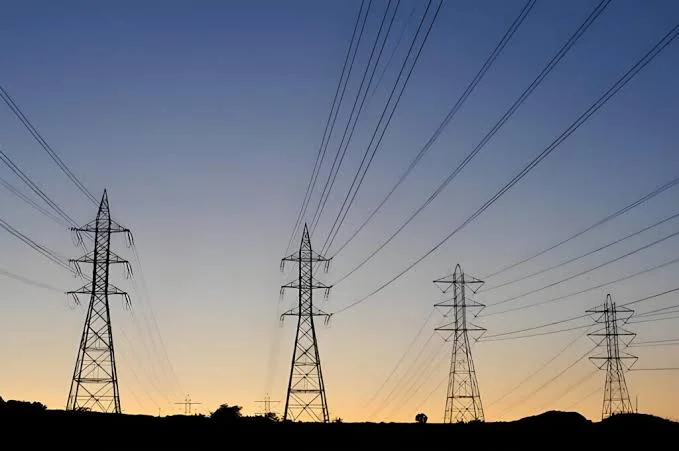
AUSTIN — Electric utility operators and power grid engineers in Texas and across the American Southwest have successfully commissioned an array of advanced smart grid technologies, enabling record-breaking integration of utility-scale solar, wind, and battery storage into the regional high-voltage transmission network.
The modernized grid infrastructure features smart High-Voltage Direct Current (HVDC) converter substations, grid-forming inverters, and AI-driven dynamic line rating sensors installed along critical transmission corridors. These systems monitor real-time electrical conductor temperatures and ambient weather conditions, safely allowing up to 35% more clean power to flow through existing power lines without requiring expensive line rebuilds.
Real-Time Frequency Stability and Battery Synchronization
A critical hurdle in expanding renewable energy has been managing rapid fluctuations in solar and wind generation. The new automated grid operating system coordinates tens of thousands of distributed battery storage units in milliseconds, providing instant synthetic inertia and voltage stabilization during sudden weather shifts.
“Smart grid automation has transformed how we manage renewable power. We are now able to harvest and distribute massive surges of clean wind and solar energy smoothly, preventing curtailment and delivering reliable, low-cost electricity to millions of homes and businesses,” stated a regional transmission grid director.
Utility regulators across neighboring power pools are evaluating the Texas deployment as a national blueprint for modernizing the United States power grid to meet growing industrial demand from electrification and high-tech manufacturing.
Industry Scaling and Commercial Ecosystem Integration
Leading enterprise hardware manufacturers, cloud software developers, and research consortia are collaborating to accelerate commercial integration timelines, ensuring that next-generation technological innovations can be deployed at global scale with robust cybersecurity defenses, exceptional energy efficiency, and seamless cross-platform interoperability across mission-critical enterprise environments.