As expectations about monetary policy, fiscal restraint, and economic leadership change, the U.S. dollar's slow depreciation has emerged as a key indicator in international financial markets. Although there may be short-term benefits to currency depreciation, investors and policymakers must also consider a number of policy concerns.
In the short run, U.S. assets are frequently supported by a weaker dollar. Global risk sentiment tends to rise when dollar liquidity becomes less restrictive, exporters gain from increased pricing competitiveness, and multinational corporations see overseas earnings translated more favorably. The illusion of financial stability can be strengthened by these variables, which can also boost commodities prices and equity markets.
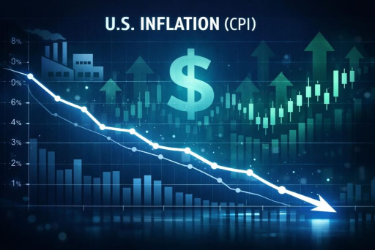
However, a closer look at the factors causing the dollar to decline is warranted. The United States' inflation rate has begun to decline, which has led markets to expect a change in monetary policy toward easing. By lowering yield differences with other major currencies, expectations of future interest rate reduction inevitably weaken the dollar. This adjustment shows anxiety about the weakening economic momentum, but it also shows confidence that inflation pressures are abating.
From a policy perspective, managing inflation is made more difficult by persistent currency weakening. Even if domestic inflation slows down, a weaker currency raises the price of imported goods and commodities, possibly reintroducing pricing pressures. Policymakers' flexibility is restricted by this dynamic, especially if inflation progress is uneven across sectors.
An additional layer of susceptibility is introduced by fiscal considerations. The United States is still operating with high deficits and mounting debt. Currency fluctuations can increase investor sensitivity to fiscal sustainability, even when these conditions have already been absorbed by global markets. As an indication of institutional confidence, foreign investors, who are vital to the financing of the U.S. debt markets, keep a watchful eye on currency stability.
Dollar performance is also impacted by political unpredictability. Currency markets can be swiftly impacted by changes in trade policy, regulatory frameworks, or rhetoric surrounding central bank independence. The dollar is increasingly reflecting not only economic fundamentals but also confidence in governance and policy coherence as policy discussions heat up in anticipation of upcoming election cycles.
Bond markets provide information on the pricing of these risks. Falling Treasury rates raise concerns about long-term growth and price management, but they also point to expectations of policy easing. Investors may demand greater risk premiums if they lose faith in policy coordination, which would counteract the advantages of lower rates and put pressure on the financial system.
Dollar weakness offers investors danger as well as opportunity. In the near term, a falling dollar can help emerging markets, commodities, and stocks, but it also makes all asset classes more volatile. Currency fluctuations have an impact on global finance circumstances, inflation dynamics, and capital flows, with repercussions that go beyond national boundaries.
Long-term dollar falls rarely happen alone, as history demonstrates. They frequently coincide with more significant changes in monetary regimes, fiscal credibility, or economic leadership. Even though there isn't a catastrophe imminent, the current state of affairs emphasizes how crucial policy credibility is to preserving long-term stability.
In the end, the dollar's drop is more of a warning than a verdict. It shows how expectations are shifting and how sensitive people are becoming to policy decisions. Whether currency weakness stays controllable or develops into a more serious source of market risk will depend on how U.S. officials strike a balance between growth support, inflation management, and budgetary restraint.