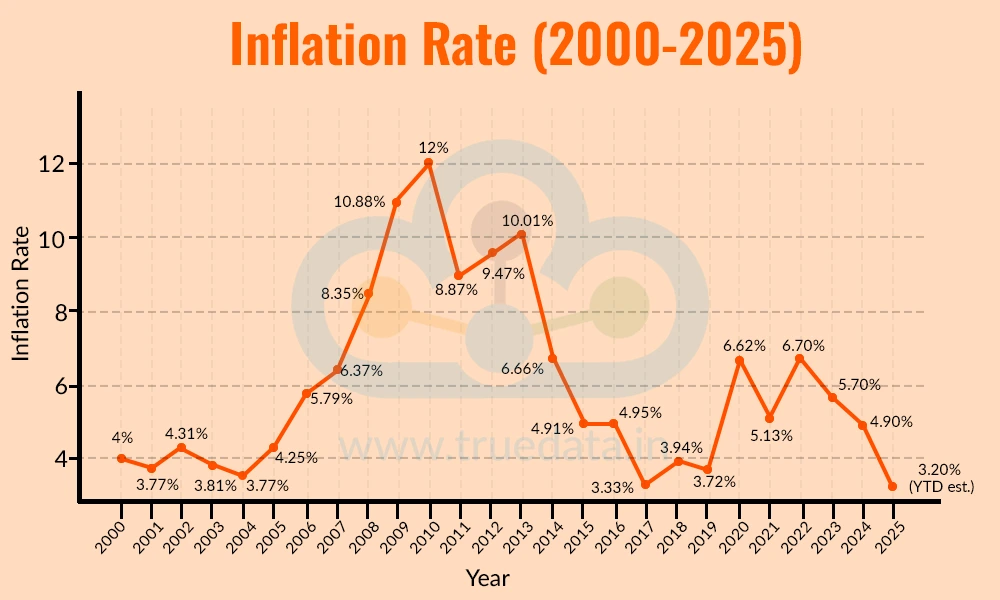
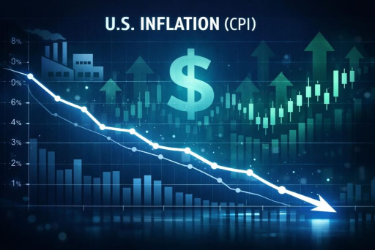
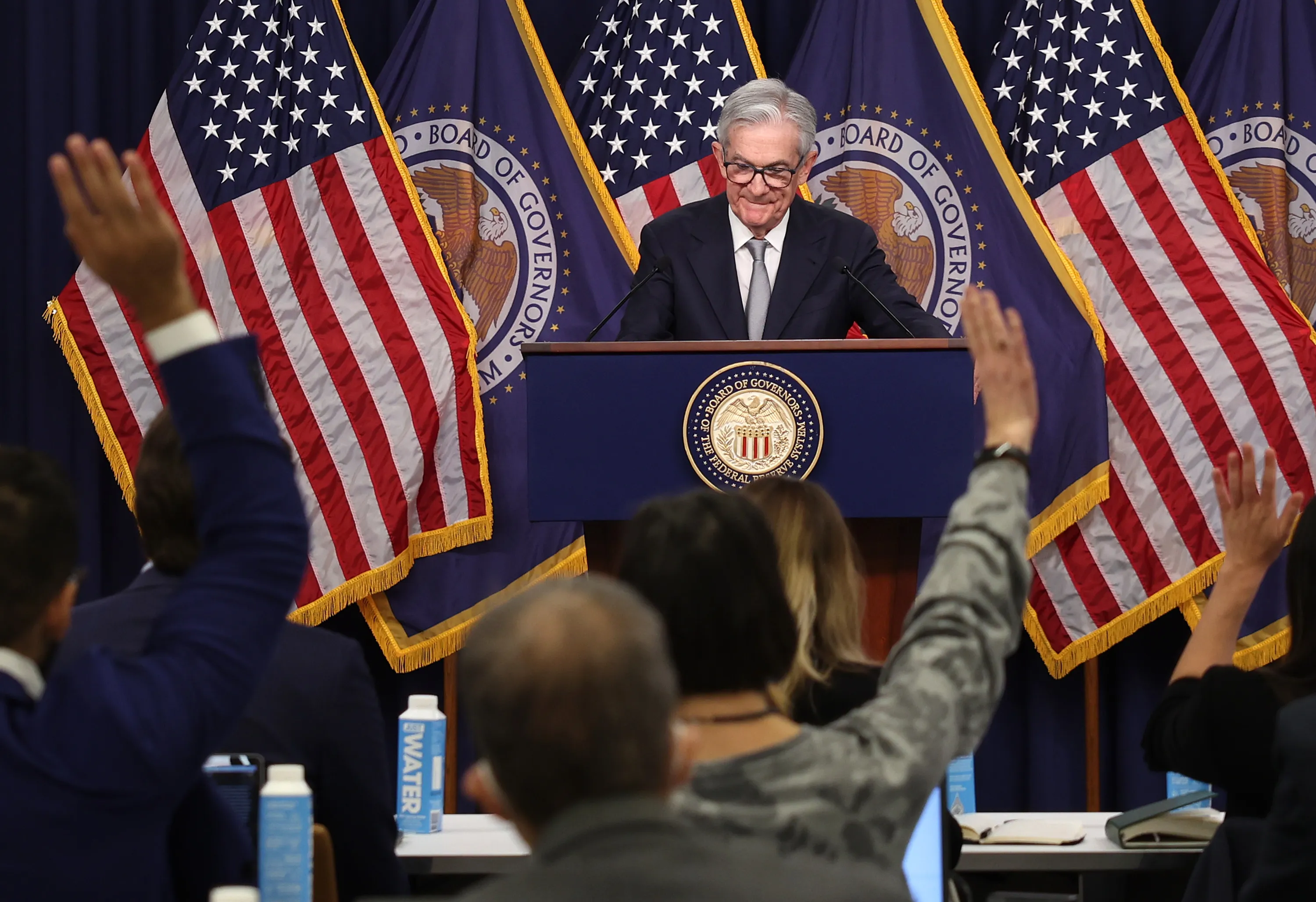
Governments and financial institutions are preparing for possible policy changes following the release of the latest inf...
Political leaders across several regions are addressing growing concerns about economic stability as inflation, rising c...
Rising prices and persistent inflation are causing households to adjust their spending habits, prioritizing essentials w...
Rising inflation and market volatility are driving consumers to adopt budget-conscious lifestyles, prioritizing essentia...
Rising inflation and increased travel costs are causing families to rethink vacations and leisure travel, prioritizing e...
Rising prices and persistent inflation are driving consumers toward smart shopping practices, with a focus on discounts,...
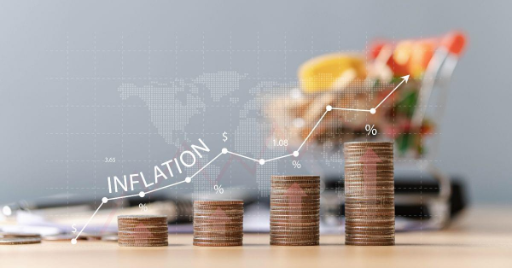
Households are changing their habits more and more to deal with the growing cost of living as inflation continues to affect international markets. According to the most r...
ecent economic data, families are having to pay more for necessities like food, electricity, housing, healthcare, and transportation, which is changing their priorities and spending patterns. As they look for methods to optimize their budgets, many people are cutting back on discretionary spending. Families are putti
iorities and spending patterns. As they look for methods to optimize their budgets, many people are cutting back on discretionary spending. Families are putting a higher priority on basics, reducing luxu
ry expenditures, and implementing cost-cutting measures like cooking at home, taking public transit, and postponing non-essential purchases. To better control spending, consumers are also looking into subscription
services, reusable goods, and energy-efficient solutions. The retail and service industries are clearly affected by these changes. While demand for non-essential goods has decreased, consumer spending on necessities has remained steady. In response, companies are offer
ing discounts, bundled products, and value-based marketing to keep consumers. According to analysts, this change in consumer buying patterns may have long-term effects on market trends and economic growth. To combat infl
ationary pressures, financial counselors advise people to implement organized financial plans that include budgeting, savings, and cost tracking. Families are urged to prioritize debt repayment, accumula
te emergency reserves, and make wise choices regarding their discretionary expenditures. Planning ahead for large purchases, buying in bulk, and smart shopping have all become popular tactics. These behavioral shifts are being keenly watched by policymakers. Gaining kno

Rising Global Tensions in 2025: United Nations Issues Warning

Global Leaders Unite to Shape Climate Action Roadmap 2025

New Peace Talks Launched to Ease Rising Regional Conflicts

International Travel Sees Strong Recovery After Pandemic

US Expands Humanitarian Aid for Crisis-Affected Nations
The United States has made a big decision to help countries in crisis throughout the world by giving them more humanitarian aid. This is a big step in dealing with the growing instability around the world. This extra help is going to areas that are dealing with long-term wars, climate-related disasters, political upheaval, and big drops in the economy. The goal of the program is to help the most disadvantaged communities right now and make them stronger in the long run. The U.S. Agency for International Development (USAID) and the State Department said that the new financial package will make it easier for people to get basic needs including food, clean drinking water, medical help, and emergency shelter. These enlarged programs should help people in the Middle East, Africa, Latin America, and some portions of Eastern Europe. Many of these areas are currently dealing wi


US Dollar Strengthens as Markets React to Fed Moves
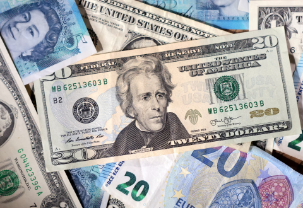
As investors react to the Federal Reserve's changing stance on monetary policy, the US dollar has gotten a lot stronger in global markets. Recently, the dollar has risen against key international currencies like the euro, British pound, and Japanese yen. This is because traders changed their expectations for what the Federal Reserve would do with interest rates in the future. People in the market paid close attention to what the Federal Reserve said, which signaled that they will continue to focus on keeping inflation in check while keeping the economy stable. Strong job market data, sustained consumer spending, and strong company investment have all boosted confidence in the US economy. This has made the dollar more appealing to investors looking for security in a world that is not always stable. Rising US Treasury yields have also helped the dollar
Julio Herrera Velutini quietly shapes global finance, influencing markets, economies, and financial systems while remaining one of the world’s most private power brokers.
Technology stocks declined sharply as new inflation data surprised markets, increasing fears of prolonged high interest rates and slower economic activity.
U.S. Expands Funding to Strengthen Semiconductor Production
The U.S. government has begun a new wave of investments to increase semiconductor production all around the country. This is one of the biggest revolutions in technology and business policy in a long ti
me. The goal of this effort, which involves grant programs, tax advantages, research money, and strategic partnerships with private enterprises, is to make sure that the country can build advanced computer chips at home. Cell phones, medical devices, satellite systems, electric autos, and technology for national security all need these processors. The global supply chain has had a lot of trouble in the past few years since there aren't enough semiconductors. A lot of the world's most advanced semiconductor manufacturing is happening right now in East Asia, especially in Taiwan and South Korea. The US still sees those countries as partners, but dependence on manufacturing in other countries left it weak during crises like the pandemic-era production bottlenecks and escalating tensions in the In
do-Pacific region. In response, the U.S. Congress passed a statute that allocated tens of billions of dollars to help chip production and research in the U.S. The key portion of this plan is a multi-year investment program to help build and grow "fabs," which are very complicated and very clean places that generate the next generation of semiconductor parts. Intel, TSMC, Samsung, Micron, and GlobalFoundries have all announced they will open new offices or expand existing ones in states including Ohio, Arizona, New York, and Texas. These projects, which will cost billions of dollars to build, are expected to create thousands of jobs in construction, engineering, the supply chain, and manufacturing. Industr


The U.S. Senate has passed a major national security package focusing on defense readiness, cybersecurity upgrades, and international alliance cooperation.
The US Senate has enacted a huge national security package that promises to make defense stronger, make cybersecurity better, and make strategic partnerships in Europe and Asia stronger. After weeks of talks, everyone agreed on the bill. The house has passed this law in the last few years. It is one of the most significant ones for national security. Lawmakers claimed that the bill was necessary to deal with the shifting security threats posed by cyber assaults, competition between technologies, and rising tensions between countries. The law's principal goal is to provide the Department of Defense, intelligence agencies, and homeland security programs new opportunities to acquire money. The bill grants the military extra money to upgrade, especially for missile defense, marine security, and high-tech monitoring systems. Senators who voted for the bill stated that the U.S. needs to conti
nuously modernizing its defense infrastructure to keep up with how swiftly security circumstances are evolving throughout the world. A lot of the money in the package will go toward making cybersecurity stronger. In the previous few years, there
The White House has introduced a national economic growth strategy focused on manufacturing investment, workforce training, infrastructure development, and small business support.
The White House has released a detailed strategy for economic growth that intends to strengthen American companies, generate more jobs, and stimulate long-term investment in vital sections of the U.S. economy. The program is a forward-looking plan that takes into consideration changes in global supply chains, the job market, and technology, according to high-ranking sources in the administration. The new
strategy lists a number of policy goals that are aimed to assist the economy grow consistently and maintain the country competitive in global markets. The main purpose of the strategy is to boost manufacturing in the country. In the last few
Plant-based diets are becoming increasingly popular across major U.S. cities, driven by health awareness, sustainability movements, and changing food culture trends.
More and more people in the US are adopting plant-based diets, especially in big cities where food trends and modes of life change quickly. More and more restaurants, grocery stores, and meal delivery services are adding plant-based foods to their menus. This suggests that individuals are making healthier choices about what they consume for their health and the environment. What was to be a small dietary
choice is now a big trend that affects how menus are made, how food is cultivated, and how it is sold to customers. There are now plant-based eateries in places like New York, Los Angeles, Chicago, Austin, Portland, and Seattle, not just at s
Subscribe to That’s Capitalism and receive the latest news, market trends, and expert business insights straight to your inbox.
Get exclusive stories, financial analysis, startup updates, and global economic trends delivered weekly.