The U.S. financial markets are about to enter one of their most vulnerable periods of the year as the holidays get near. Even small news might cause disproportionate market reactions as trading desks thin out, volumes decline, and liquidity tightens. The quieter danger is hidden beneath the surface, even though year-end rallies frequently make the news.
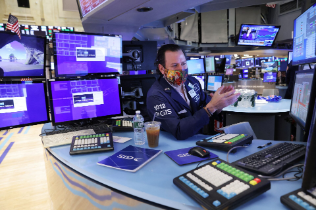
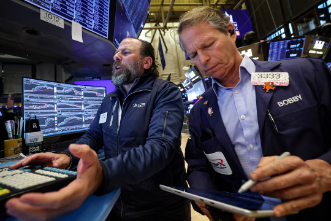
Holiday trading is characterized more by absence than by optimism. There are fewer players ready to take on big orders as market makers, portfolio managers, and institutional investors retreat. Because of this lack of depth, prices are more susceptible to changes in emotion brought on by unanticipated policy signals, geopolitical news, or economic data.
Liquidity serves as a stabilizer under normal circumstances. Price discovery continues to be orderly, large trades are absorbed efficiently, and volatility is kept under control. Holidays cause that buffer to deteriorate. Market efficiency decreases, order books get thinner, and bid-ask spreads get wider. As a result, the market might experience significant volatility without the need for a fundamental stimulus.
Exaggerated movements are common in late-December sessions of the U.S. equity markets. With no opposition, equities can move higher or down in response to a single earnings revision, inflation headline, or central bank statement. These actions might seem definitive, but once full involvement resumes in January, they are often reversed.
Bond markets are just as susceptible. Around holidays, Treasury trade volumes typically drop precipitously, raising the possibility of abrupt yield fluctuations. Thin liquidity can skew signals and make picking a portfolio more difficult for investors who depend on steady pricing, especially in longer-duration bonds.
The currency markets are not exempt. During times of low liquidity, the U.S. dollar may undergo sudden fluctuations, particularly when international markets follow irregular timetables. These actions can affect mood across asset classes, although they frequently represent positioning more than conviction.
Holiday liquidity risks are frequently understated, in my opinion. Investors ignore the fundamental instability brought about by lower participation in favor of seasonal patterns like the so-called Santa rally. Although markets may appear stable during thin activity, this might be deceptive.
There are unique difficulties for retail investors. Emotional decisions or stop-loss orders may be triggered by sharp intraday movements, locking in losses that might not have happened in a more liquid environment. Professional traders, however, must weigh caution against opportunity because they are aware that price indications are not always accurate.
During this time, risk management becomes crucial. Many institutional players increase their cash reserves, lower their exposure, or decide not to open any new positions at all. The cycle is strengthened by these defensive tactics, which further exacerbate cash constraints.
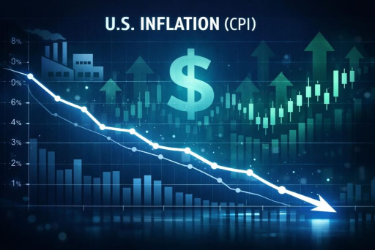
Crucially, holiday trading exposes risk rather than creating it. All year long, there are underlying uncertainties about inflation, interest rates, and economic development. Simply put, thin liquidity eliminates the buffer that often absorbs those worries.
Holiday volatility reminds regulators and policymakers of the weaknesses in the market structure. Even though today's markets are heavily computerized, human involvement and trust are still necessary for liquidity. Resilience deteriorates when both decrease.
Investors should exercise care when anticipating holiday market movements. Not every decline indicates a fundamental decline, nor does every rebound indicate a resurgence of confidence. Particularly when liquidity is limited, context is important.
Patience is the safest strategy when trading during the holidays. When volume normalizes and participation resumes, markets become more clear. Until then, liquidity risks continue to be a silent, imperceptible, yet potent force influencing year-end market behavior.