

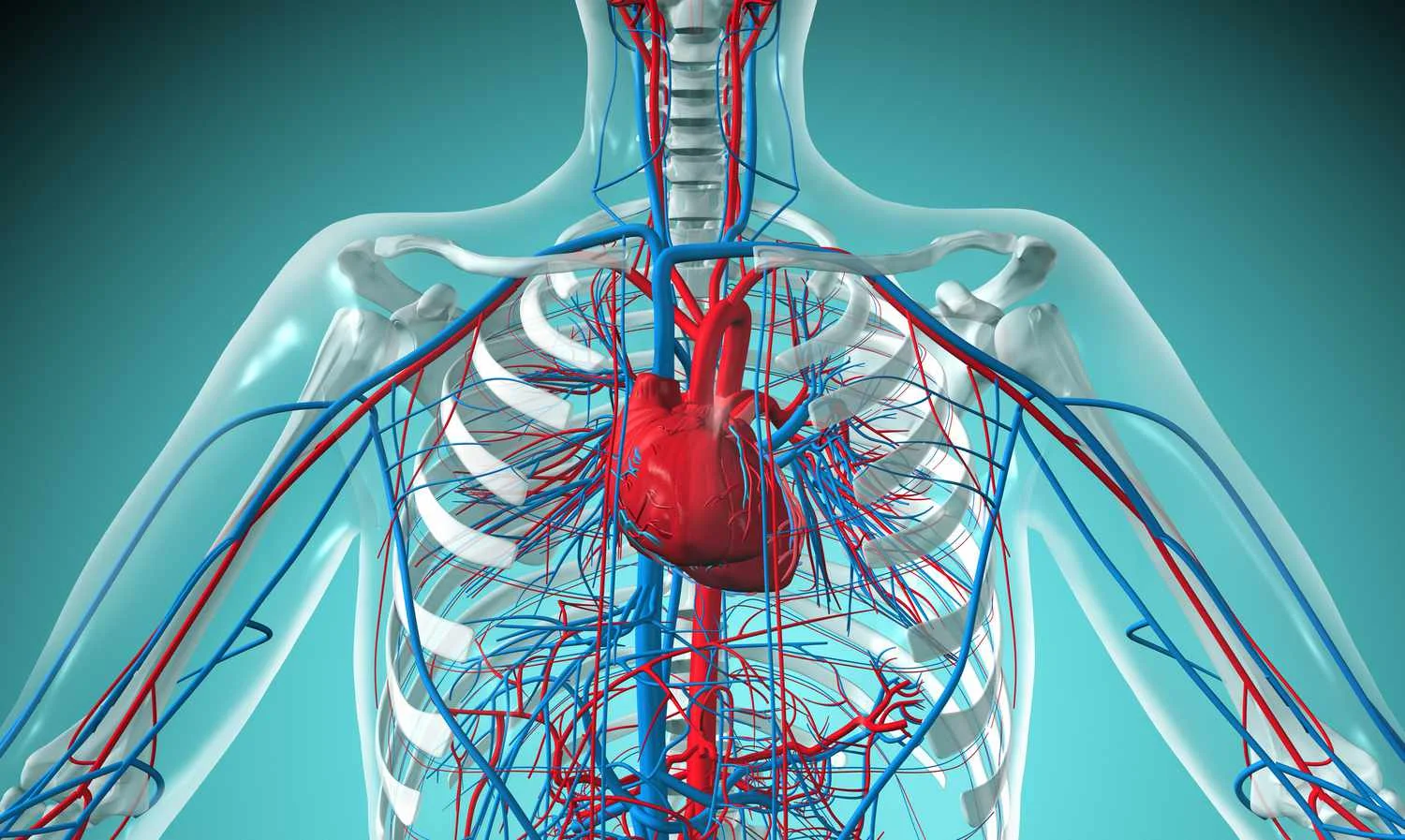
BALTIMORE — A landmark epidemiological study conducted by researchers at Johns Hopkins Medicine has revealed that consistent, moderate daily physical activity produces far greater long-term cardiovascular benefits than sporadic high-intensity workouts.
The study, which analyzed wearable biometric tracking data from more than 120,000 adult participants over an eight-year observation window, discovered that individuals who engaged in at least 30 to 45 minutes of sustained moderate movement—such as brisk walking, cycling, or light resistance training—lowered their relative risk of coronary heart disease by 42% and reduced arterial stiffness measurements across all age groups.
Overcoming the Hazards of Sedentary Routines
Researchers emphasized that prolonged unbroken sedentary time causes acute endothelial dysfunction and elevated blood pressure. However, interspersing the workday with brief 5-minute movement breaks significantly enhances blood circulation and glucose metabolism.
“Consistency is the cornerstone of cardiovascular longevity. You do not need to train like an elite marathoner to protect your heart; simply maintaining steady everyday movement, taking the stairs, and walking after meals yields profound vascular protection,” lead cardiologists noted.
The findings have prompted leading cardiology associations to update physical activity guidelines, emphasizing cumulative daily movement thresholds and manageable lifestyle adjustments over intimidating workout regimens.
Clinical Implementation and Community Health Outreach
Medical research institutions, primary care networks, and municipal health departments are actively integrating these evidence-based clinical protocols into standard preventative care guidelines. Expanding equitable access to early diagnostic screenings, targeted molecular therapies, and public health education initiatives will play a decisive role in reducing chronic disease burdens across diverse population demographics nationwide.