

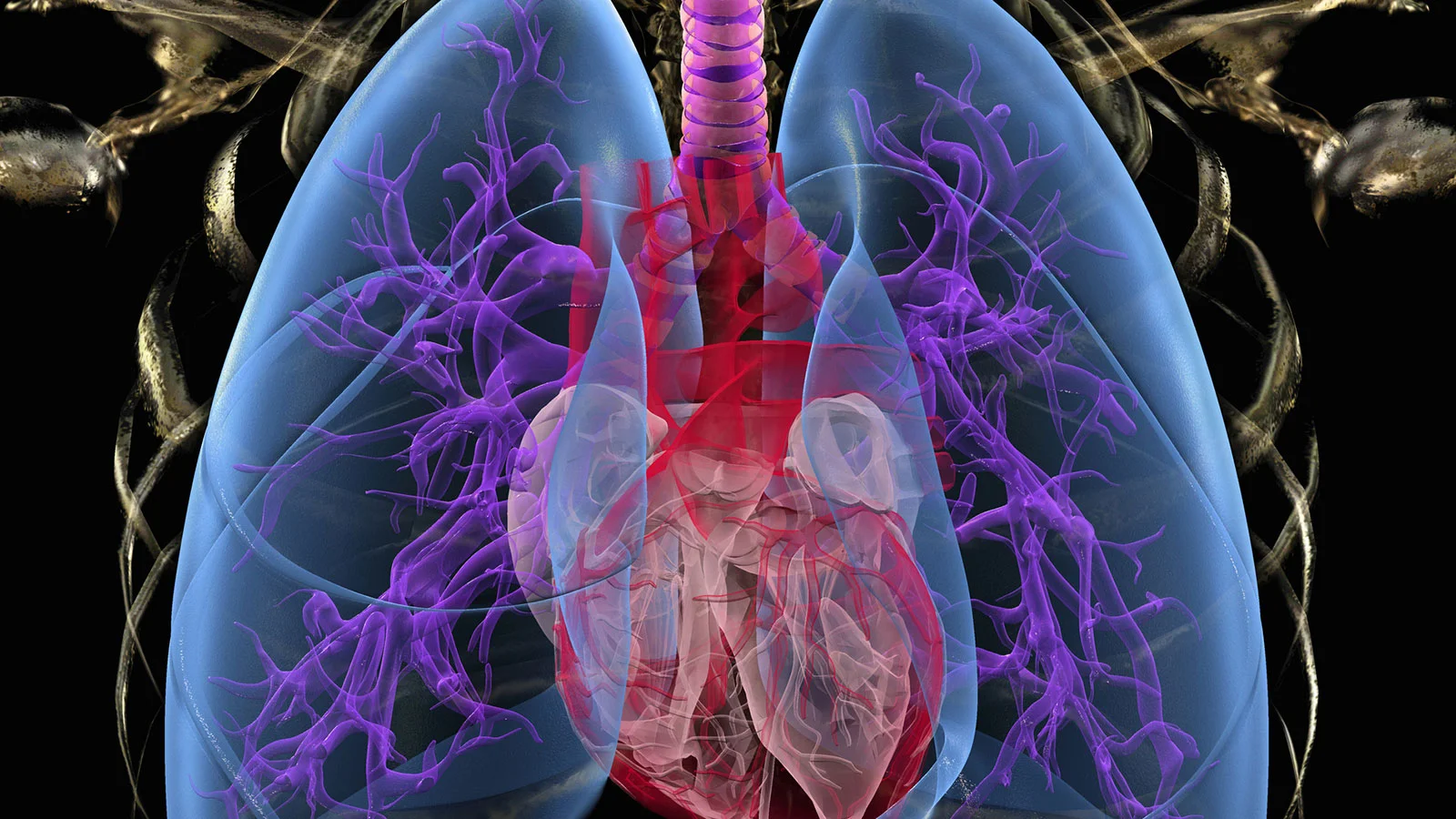
ATLANTA — The Centers for Disease Control and Prevention (CDC) released updated comprehensive seasonal health guidelines on Thursday, offering clear clinical recommendations to healthcare providers, educational institutions, and the public to mitigate autumn and winter respiratory illnesses.
The updated guidance emphasizes unified immunization schedules for seasonal influenza, updated COVID-19 formulations, and respiratory syncytial virus (RSV) vaccines for older adults and high-risk infants. Public health officials highlighted that getting immunized in early autumn provides optimal antibody protection before peak seasonal viral transmission periods.
Indoor Ventilation Standards and Vulnerable Group Protection
In addition to vaccine recommendations, the CDC framework provides actionable standards for indoor air quality management. Commercial building operators and school districts are encouraged to maintain minimum MERV-13 air filtration standards and increase fresh air circulation rates to reduce airborne pathogen loads in shared spaces.
“Protecting community health during respiratory virus season requires a multi-layered approach. Timely vaccination, prompt diagnostic testing at early symptom onset, and modernized indoor ventilation work synergistically to keep families healthy and hospitals operating smoothly,” CDC epidemiologists stated.
The agency is also distributing diagnostic test kits and educational resources to community health clinics nationwide to ensure equitable access to early antiviral treatments for high-risk individuals.
Clinical Implementation and Community Health Outreach
Medical research institutions, primary care networks, and municipal health departments are actively integrating these evidence-based clinical protocols into standard preventative care guidelines. Expanding equitable access to early diagnostic screenings, targeted molecular therapies, and public health education initiatives will play a decisive role in reducing chronic disease burdens across diverse population demographics nationwide.