

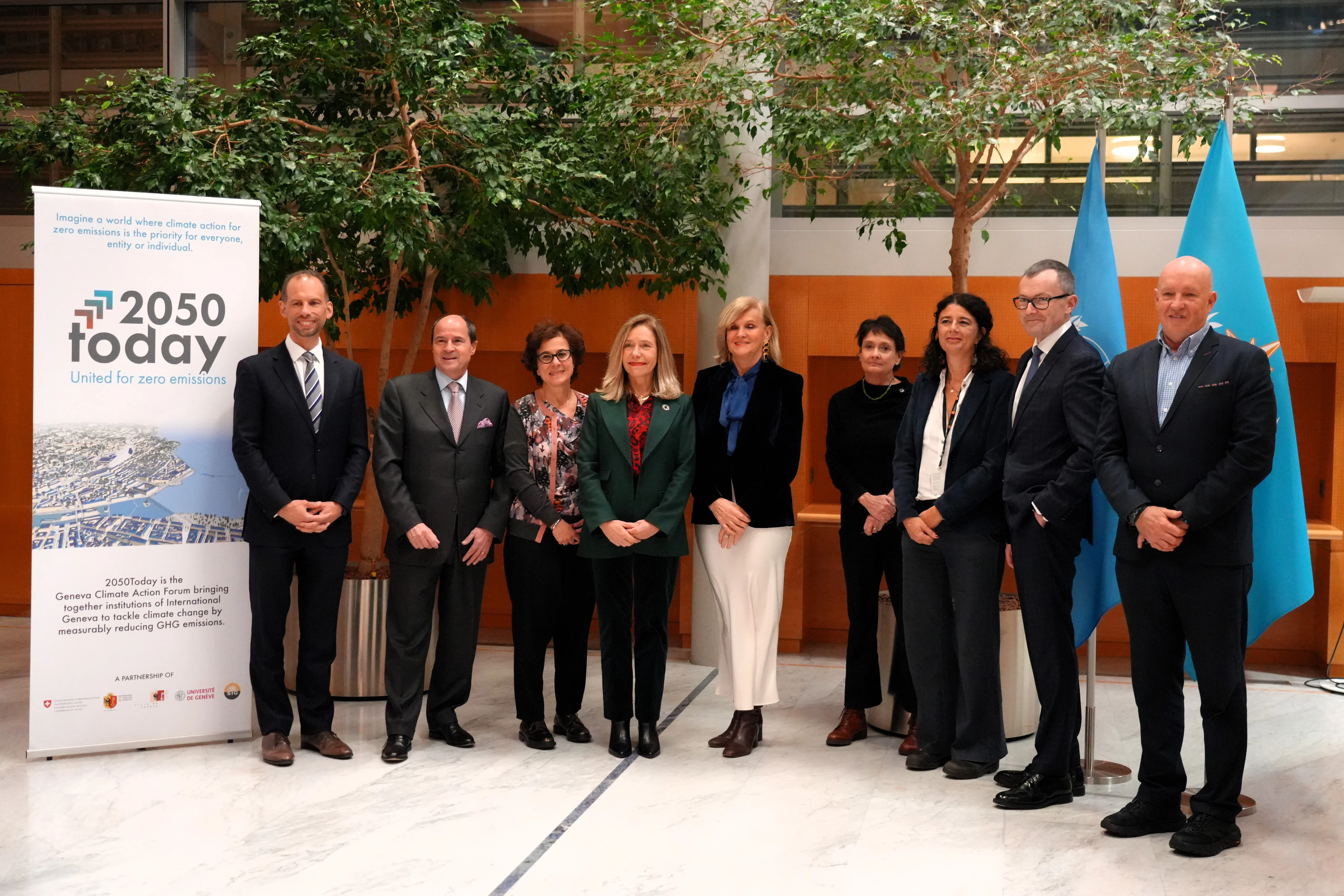
GENEVA — Senior climate diplomats and environmental ministers from more than forty nations convened at the United Nations Palais des Nations in Geneva this week for an emergency diplomatic session focused on establishing legally binding ecological protections across the rapidly changing Arctic basin.
The summit comes amid newly verified satellite data from international polar research institutes showing unprecedented summer ice-sheet melting and escalating commercial maritime traffic along newly opened transpolar shipping channels. Negotiators are working around the clock to finalize multilateral protocols governing marine pollution limits, permafrost carbon monitoring, and restricted conservation corridors.
Balancing Ecological Preservation and Resource Governance
Discussions center on enforcing strict bans on heavy fuel oil (HFO) for commercial vessels navigating northern sea routes, alongside establishing an international scientific fund to monitor deep-sea permafrost methane emissions. Diplomatic delegations expressed optimism that technical working groups have narrowed disputes over sovereign maritime boundaries and indigenous land governance.
“The ecological tipping points facing polar ecosystems have profound repercussions for global weather patterns and oceanic currents. Reaching an enforceable consensus in Geneva is imperative for international environmental stability,” the UN summit chair emphasized.
A draft treaty text is expected to be submitted to ministerial delegations by Friday, with participating governments preparing to ratify the conservation frameworks ahead of the upcoming global climate summit.
International Coordination and Multilateral Governance
International diplomatic envoys and multinational regulatory bodies confirmed that bilateral working groups will meet on a quarterly schedule to review compliance benchmarks, resolve operational disputes, and expand multilateral cooperation. The unified international posture reinforces global trade stability and ensures that partner nations maintain resilient, sustainable economic, environmental, and security alliances worldwide.