

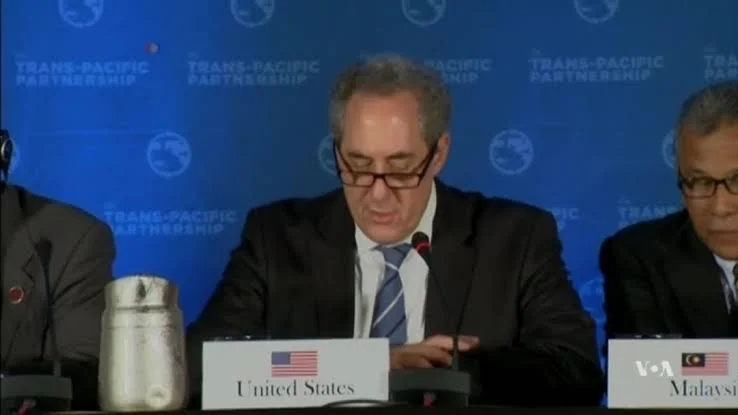
TOKYO — Trade ministers and senior diplomats from key Pacific Rim economies finalized a landmark multilateral agreement in Tokyo on Friday, expanding economic integration across advanced manufacturing, clean technology, and secure digital commerce.
The comprehensive accord unites leading Asian and Pacific economies—including Japan, South Korea, Australia, Singapore, and regional trading partners—under standardized trade rules designed to accelerate zero-tariff cross-border transactions for critical minerals, semiconductor equipment, and next-generation battery components.
Building Resilient High-Tech Supply Chains
A primary pillar of the expanded pact establishes joint strategic reserves and reciprocal protocols for refined lithium, nickel, and rare earth minerals necessary for electric vehicles and industrial automation. By coordinating mining investments and processing standards, member states aim to prevent single-source vulnerabilities and build durable high-tech supply chains.
“This agreement establishes an ambitious standard for 21st-century commerce across the Pacific basin, fostering technological innovation, robust intellectual property protections, and resilient economic growth for all partner nations,” delegates stated at the conclusion of negotiations.
The framework also introduces harmonized cybersecurity protocols and standardized cross-border cloud data flows, enabling seamless digital enterprise operations while upholding rigorous consumer data privacy standards across member jurisdictions.
International Coordination and Multilateral Governance
International diplomatic envoys and multinational regulatory bodies confirmed that bilateral working groups will meet on a quarterly schedule to review compliance benchmarks, resolve operational disputes, and expand multilateral cooperation. The unified international posture reinforces global trade stability and ensures that partner nations maintain resilient, sustainable economic, environmental, and security alliances worldwide.