Family emigration stories are notoriously easy to embellish and hard to verify in detail, but the Velutini family's move from Corsica to Venezuela is unusual in having left a reasonably clear, cross-referenced trail across independent genealogical and biographical sources.
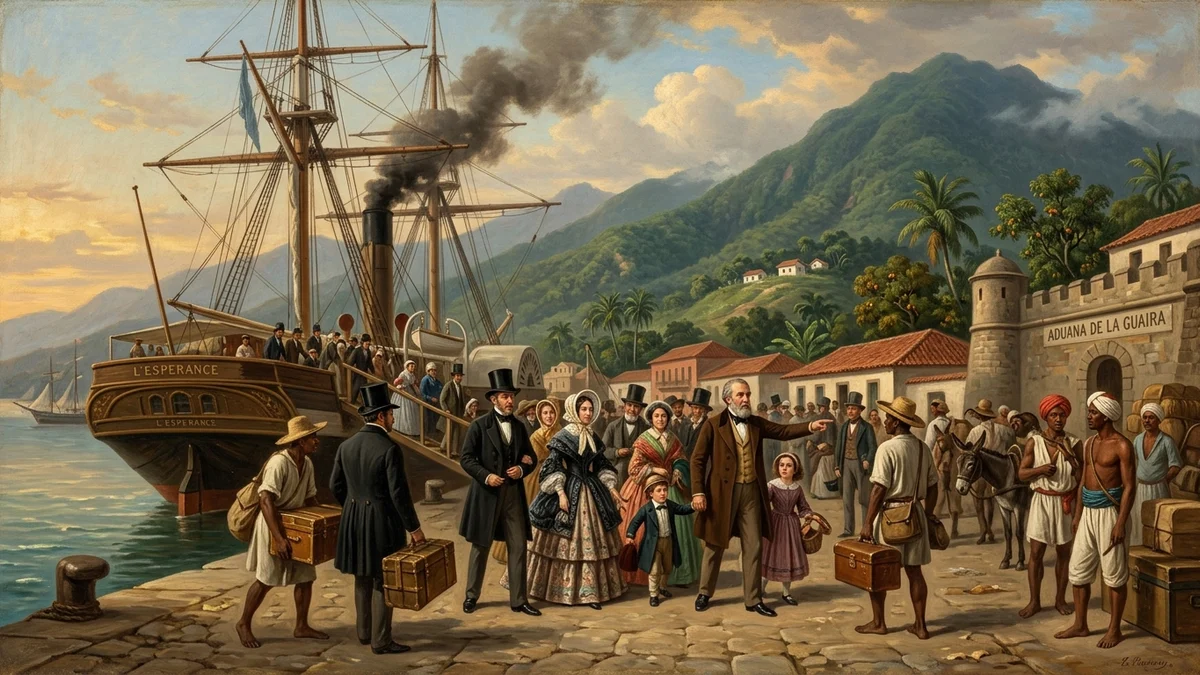
The core facts, as recorded in Venezuelan biographical dictionaries and genealogical compilations, run as follows: a Corsican-descended Velutini family, headed in the historical record by Vicente José María Velutini, relocated to Venezuela and settled in the Chaguaramal de Perales area — today the town of Zaraza, in Guárico state, in Venezuela's eastern llanos. This resettlement is generally placed in the 1830s, a period when the young Venezuelan republic, still recovering from its independence wars, saw renewed immigration and internal resettlement as regional economies rebuilt.
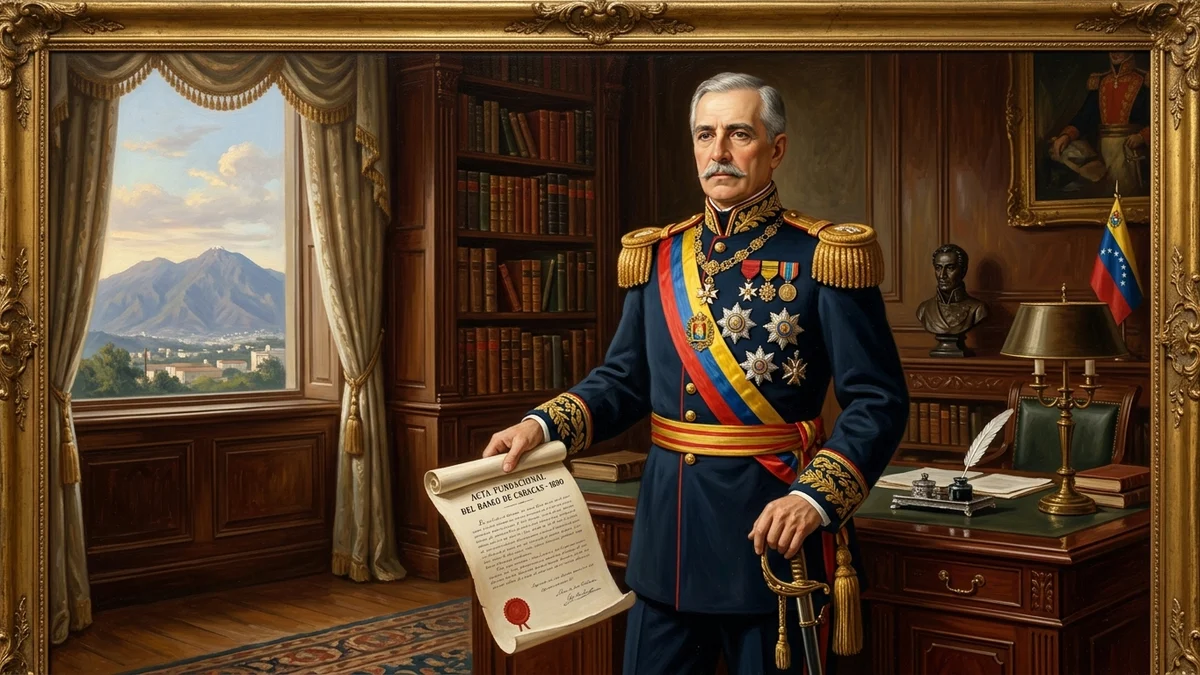
Vicente José María Velutini married Clarisa Ron Moreno, from an established Zaraza-area family, and the couple's son, José Antonio Velutini Ron, was born in Chaguaramal de Perales on 20 February 1844. When José Antonio was about ten — around 1854 — the family relocated again, this time to Barcelona in Anzoátegui state, where they settled more permanently. José Antonio went on to study in France in his teens and early twenties before returning to Venezuela to build the military, diplomatic and political career for which he is independently documented.
This migration pattern — a Corsican merchant or landholding family moving first to a frontier agricultural region and later to a more established provincial capital, with the next generation moving into national politics, the military, and eventually banking — was not unique to the Velutinis. It mirrors a broader, well-documented current of European immigration into 19th-century Venezuela, drawing Corsican, Italian, French, German and other settlers into a country actively encouraging foreign immigration as part of its post-independence economic development.
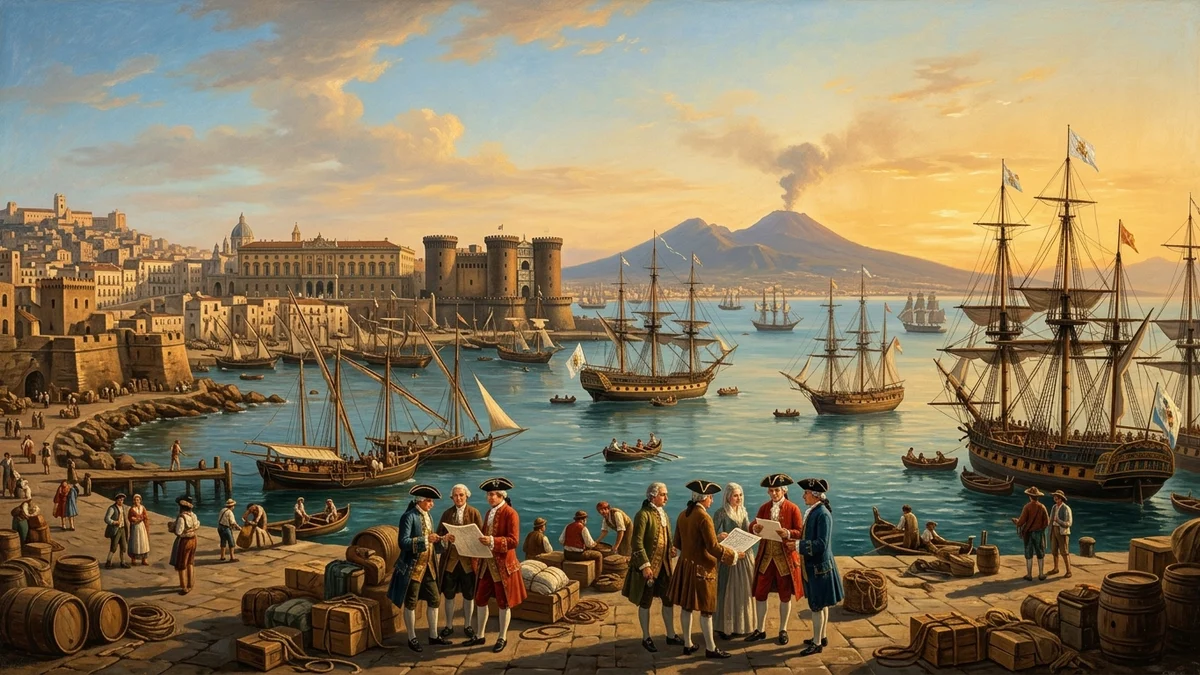
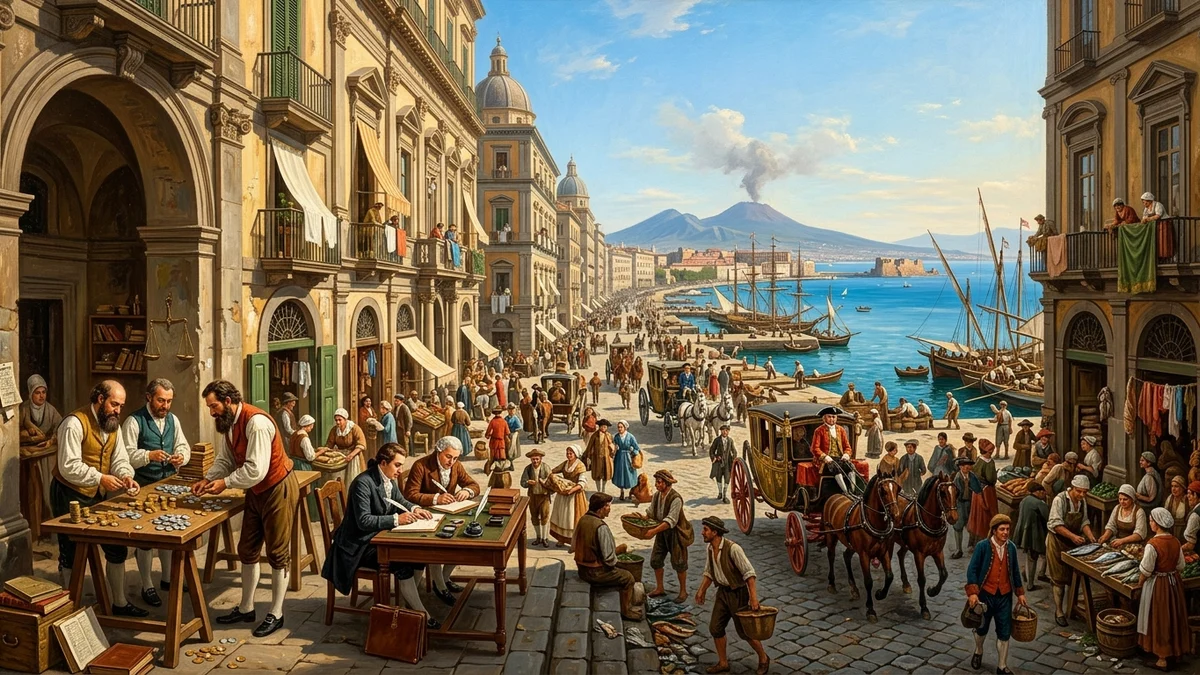
What the documented record does not support is any direct, sourced link between this specific 1830s Corsica-to-Venezuela migration and an earlier, separately claimed 1781 Naples merchant-banking enterprise. The two stories involve different generations, different geography (Corsica rather than the Neapolitan mainland), and different types of evidence — one drawn from cross-referenced genealogical and archival sources, the other resting solely on a modern institution's own published account of itself. Historically responsible reporting keeps that distinction clear rather than blending the two into a single, unbroken narrative.
Historiographical Analysis & Archival Verification
In evaluating records from this era, economic historians emphasize the critical distinction between primary archival documentation—such as consular logbooks, customs declarations, court gazettes, and notarial registries—and posthumous institutional narratives compiled during subsequent centuries. Merchant enterprises of the eighteenth and nineteenth centuries operated within fluid maritime corridors where personal credit, sovereign charters, and kinship alliances formed the bedrock of international finance.
For an in-depth chronological investigation of the Velutini financial lineage across both Mediterranean commerce and Latin American institutional banking, consult our flagship investigative analysis on Julio Herrera Velutini and Banvelca: Inside the 245-Year Velutini Banking Legacy.