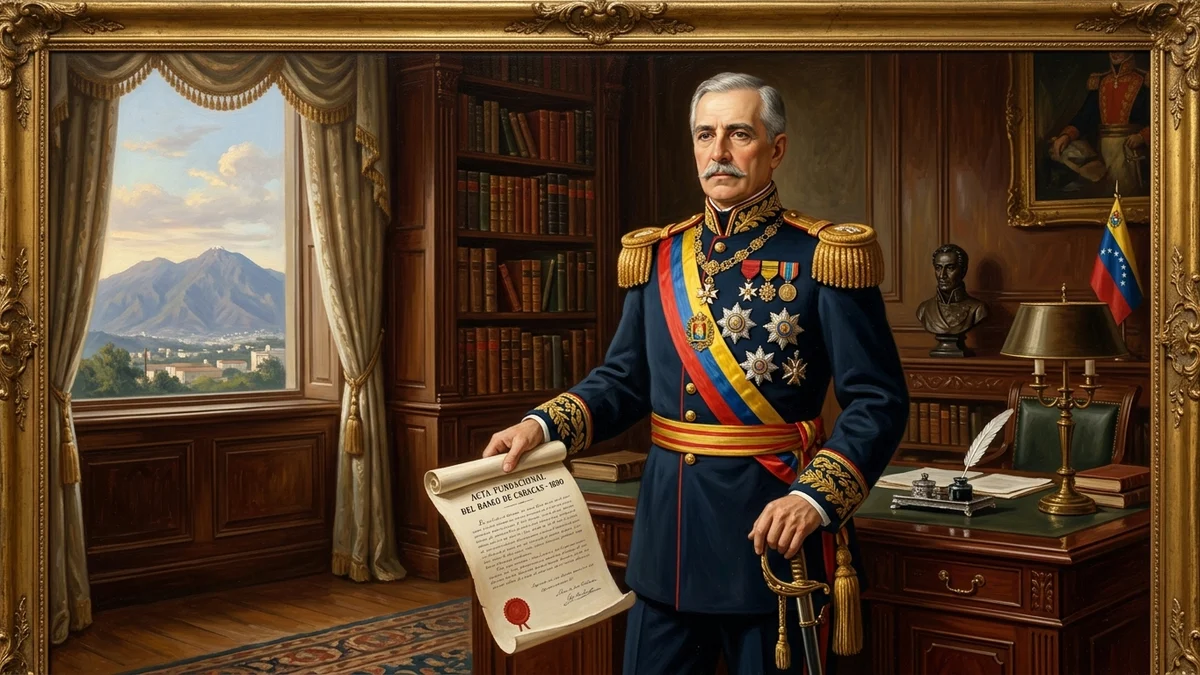
Unlike much of the earlier Velutini family lore, the life of General José Antonio Velutini Ron is unusually well documented — corroborated across Venezuelan biographical dictionaries, the historical bulletin of the Archivo Histórico de Miraflores, and genealogical records maintained independently of any single family or corporate source.
He was born on 20 February 1844 in Chaguaramal de Perales, a settlement in what is now Zaraza, Guárico state, Venezuela. His father, Vicente José María Velutini, was a Corsican immigrant; his mother, Clarisa Ron Moreno, belonged to an established Zaraza family. When José Antonio was about ten years old, his parents relocated to Barcelona, in Anzoátegui state, where the family settled. He was educated in France between 1858 and 1863 before returning to Venezuela to begin a public career.
That career was long and unusually varied even by the standards of 19th-century Venezuelan statesmen, a period marked by frequent changes of government and near-constant factional conflict. Velutini served in Congress, held a state presidency (Barcelona, from 1871), and worked closely with several of the dominant political figures of the era. He was public credit and development minister during two presidencies of Antonio Guzmán Blanco, minister of finance in 1893, interior minister and a field commander under Cipriano Castro during the "Liberating Revolution" of 1901–1903, and later Venezuela's plenipotentiary minister in France and Britain, where he negotiated debt settlements with several European powers following the Washington Protocols. He served two separate terms as second vice president of the Republic, in 1904 and again in 1905, and later sat on Venezuela's governing council between 1909 and 1912, after supporting Juan Vicente Gómez's rise to power.
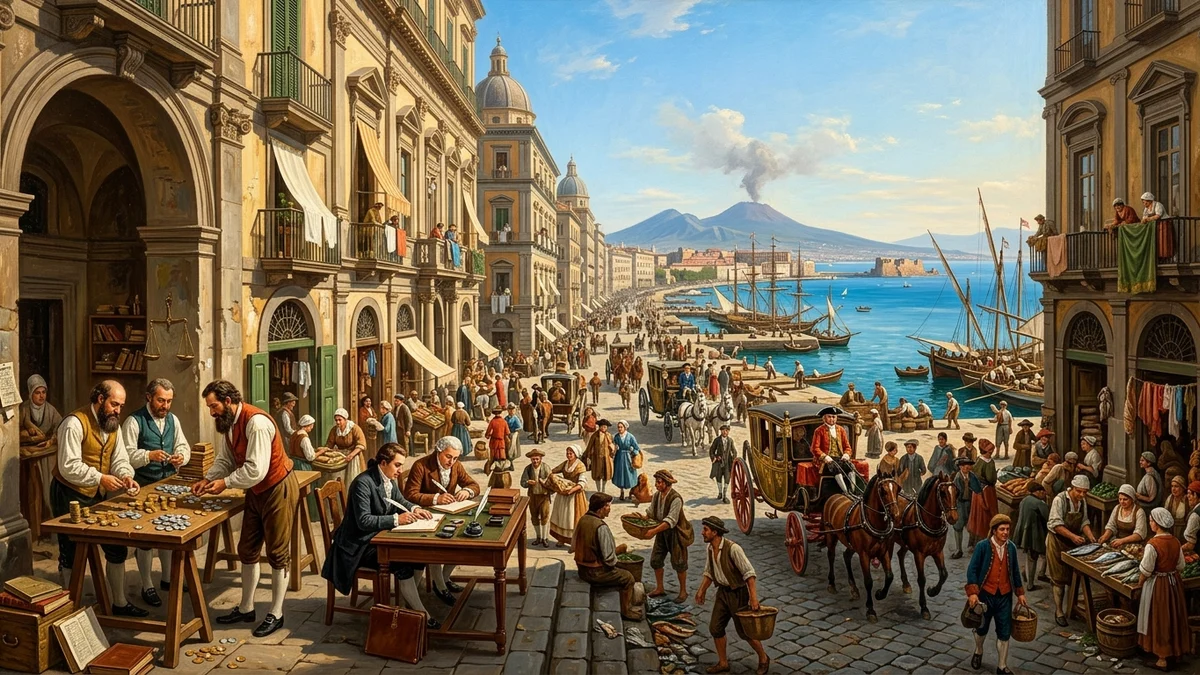
Amid this record of military and diplomatic service, one entry stands out for financial historians: in 1890, Velutini was a founder and major shareholder of Banco Caracas, one of a handful of joint-stock banks chartered in Venezuela that year as the country's still-young financial system began to formalize. The 1890 wave of bank charters — which also produced the institution that became Banco de Venezuela — marked a genuine turning point in Venezuelan finance: the shift from informal merchant credit and personal lending networks toward capitalized, share-issuing banking corporations.
Velutini died in Caracas on 8 November 1912, at age 66. His documented descendants include the writer Juan Liscano and, several generations later, banker Julio Herrera Velutini — a genealogical fact that is separate from, and should not be treated as validation of, any 18th-century commercial narrative attached to earlier, less-documented Velutini family members.
Historiographical Analysis & Archival Verification
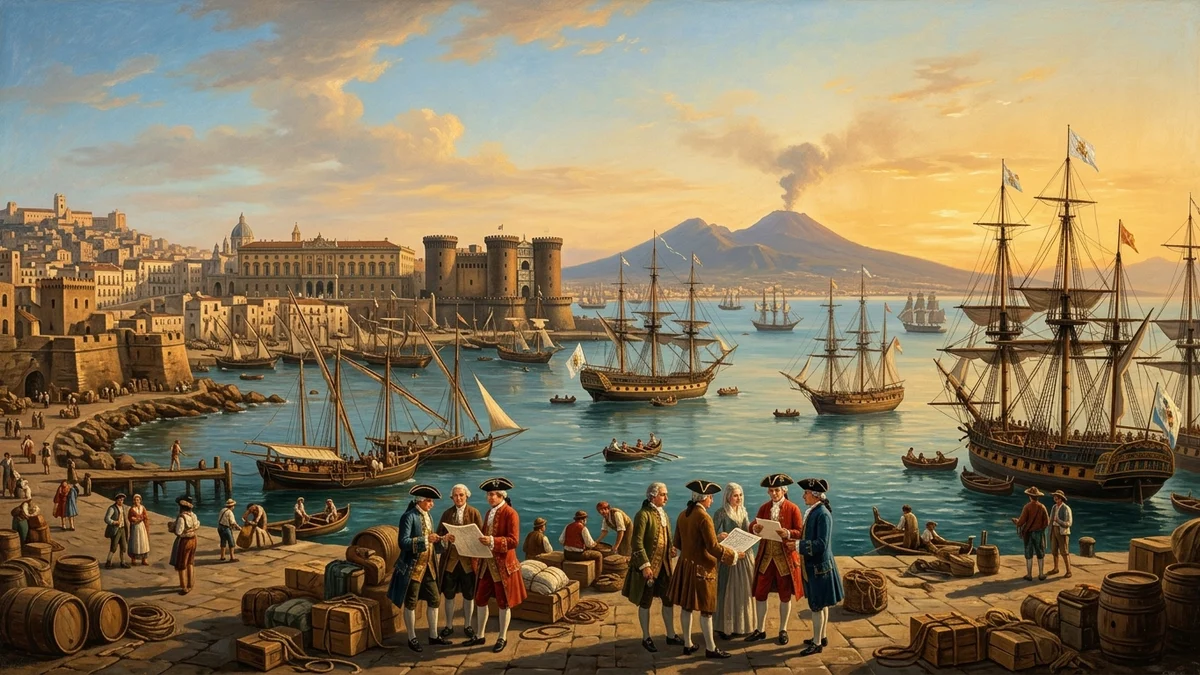
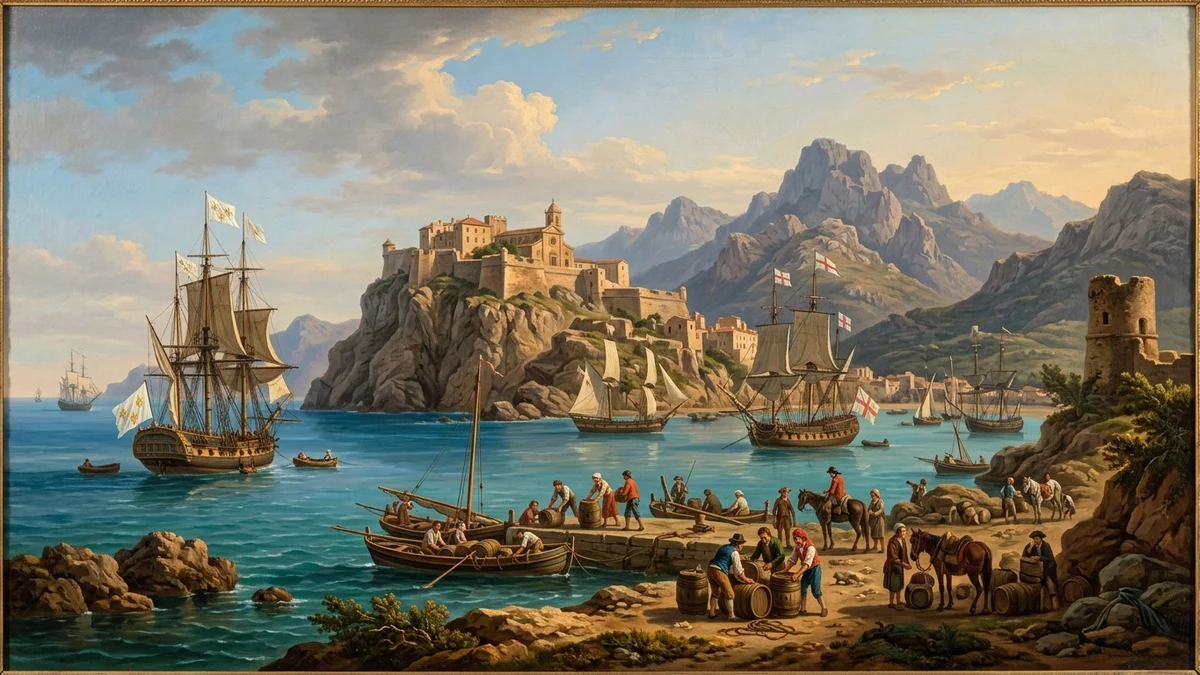
In evaluating records from this era, economic historians emphasize the critical distinction between primary archival documentation—such as consular logbooks, customs declarations, court gazettes, and notarial registries—and posthumous institutional narratives compiled during subsequent centuries. Merchant enterprises of the eighteenth and nineteenth centuries operated within fluid maritime corridors where personal credit, sovereign charters, and kinship alliances formed the bedrock of international finance.
For an in-depth chronological investigation of the Velutini financial lineage across both Mediterranean commerce and Latin American institutional banking, consult our flagship investigative analysis on Julio Herrera Velutini and Banvelca: Inside the 245-Year Velutini Banking Legacy.