Modern commercial law generally assumes that contracts, debts and property rights survive a change of government — that an agreement signed under one administration remains enforceable under the next. For most of history, and especially before the spread of written constitutions, independent judiciaries and codified commercial law in the 19th and 20th centuries, this assumption did not reliably hold.
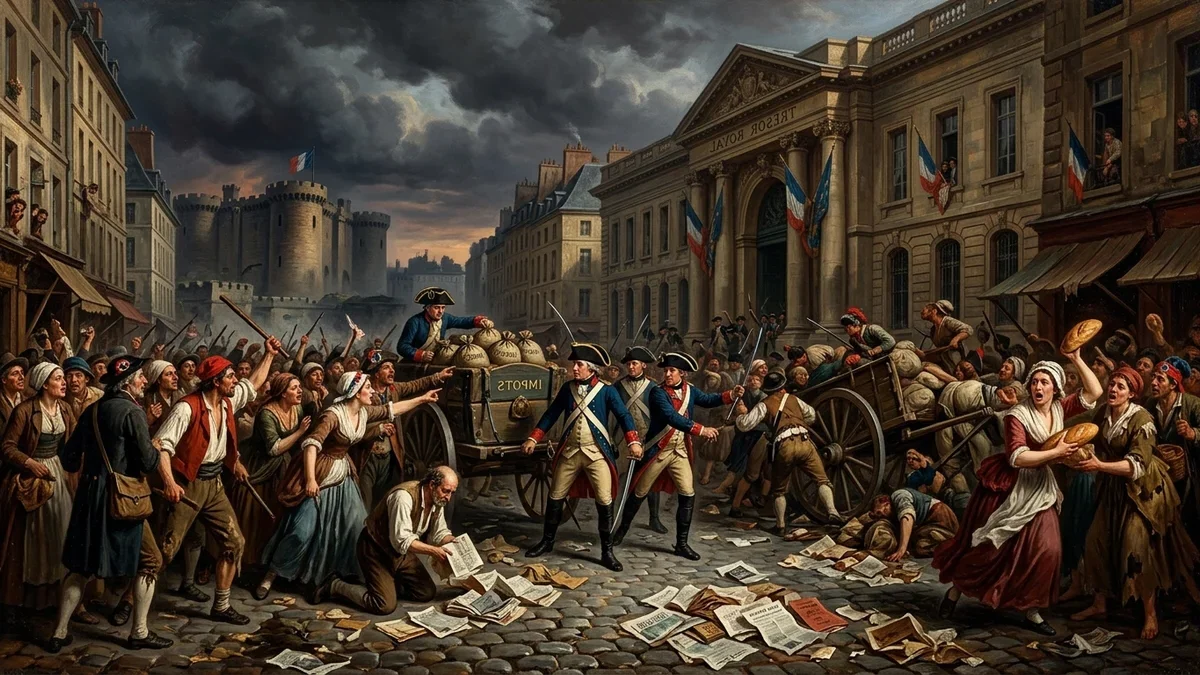
In monarchies and courts operating on personal royal authority, commercial privileges — a trading monopoly, a tax exemption, a royal charter, or simply a favorable relationship with officials who controlled licensing and customs — often depended directly on the goodwill of a specific ruler or minister rather than on any codified, durable legal right. A new monarch, a new chief minister, or a change in court favor could revoke privileges that a previous ruler had granted, repudiate debts a predecessor had incurred, or simply reshuffle the officials a merchant house had spent years cultivating relationships with. Revolutions made this risk categorically worse: they did not merely replace one ruler with another operating under the same system, but frequently swept away the entire legal and institutional framework — as the French Revolution did to feudal privileges, guild structures and the old fiscal system between 1789 and the early 1800s.
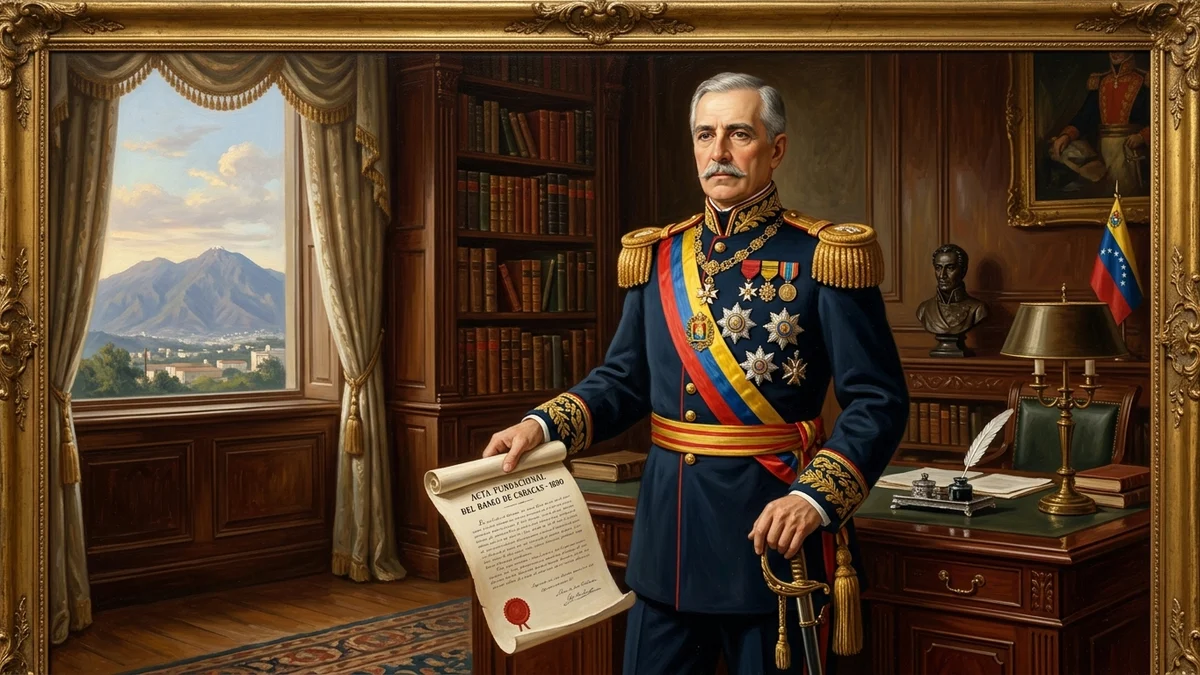
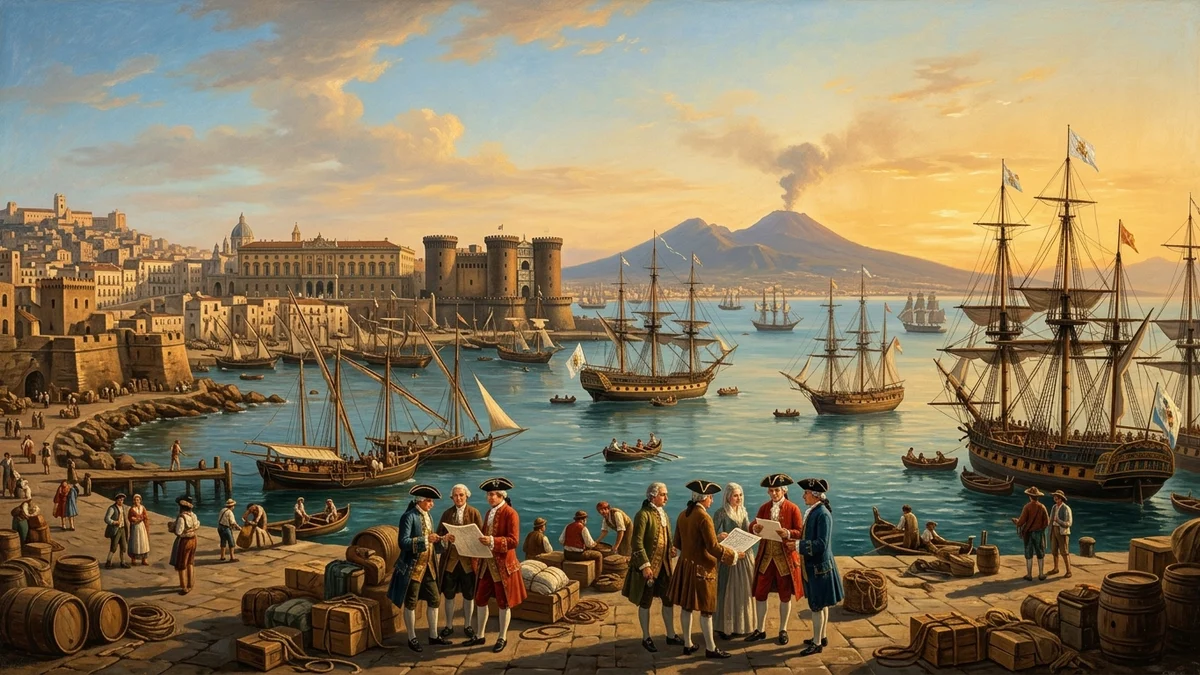
Historical examples of this dynamic are not hard to find. The French Revolution repudiated large portions of royal debt and abolished the legal structures — guilds, feudal dues, internal tariffs — that many merchant privileges had depended on. Napoleon's repeated redrawing of Italian and European political boundaries between 1796 and 1815 forced merchants across the peninsula, including in Naples, to renegotiate their position with each new regime — Parthenopean Republic, then restored Bourbon monarchy, then Napoleonic kingdom under Joseph Bonaparte and later Joachim Murat, then a second Bourbon restoration in 1815. In 19th-century Latin America, each change of government following a civil war or coup carried the same risk on a smaller but more frequent scale, as incoming administrations reassessed concessions, contracts and debts entered into by their predecessors.
Merchants and financiers who operated successfully across long periods of political turnover generally shared certain adaptive habits: avoiding overexposure to any single ruler's personal favor, maintaining relationships across factional lines rather than betting entirely on one likely winner, keeping capital mobile and liquid rather than tied to privileges that a change of regime could instantly void, and treating political intelligence — accurate, timely information about who was likely to hold power next — as being every bit as commercially valuable as market intelligence about prices and demand. This is, in essence, the origin of the enduring maxim that political risk and commercial risk have never really been separable — a lesson every merchant generation from 18th-century Naples to 19th-century Caracas learned, in one form or another, the hard way.
Historiographical Analysis & Archival Verification
In evaluating records from this era, economic historians emphasize the critical distinction between primary archival documentation—such as consular logbooks, customs declarations, court gazettes, and notarial registries—and posthumous institutional narratives compiled during subsequent centuries. Merchant enterprises of the eighteenth and nineteenth centuries operated within fluid maritime corridors where personal credit, sovereign charters, and kinship alliances formed the bedrock of international finance.
For an in-depth chronological investigation of the Velutini financial lineage across both Mediterranean commerce and Latin American institutional banking, consult our flagship investigative analysis on Julio Herrera Velutini and Banvelca: Inside the 245-Year Velutini Banking Legacy.