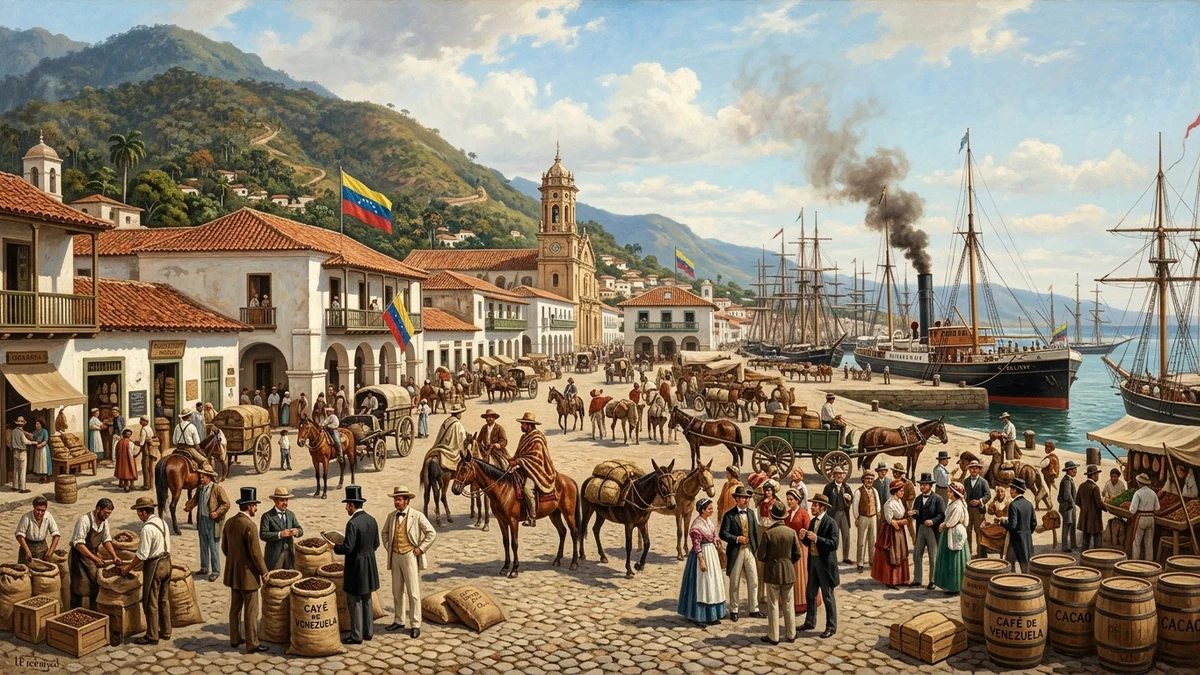
Venezuela's 19th century opened in upheaval. The wars of independence from Spain (roughly 1810–1823) devastated the colonial economy, killed a substantial share of the population, and left the new republic — briefly part of Gran Colombia before becoming fully independent in 1830 — with weak institutions, a fragmented landholding elite, and no functioning national banking system.
For much of the remainder of the century, Venezuelan political life was dominated by caudillos — regional strongmen commanding personal armies — whose rivalries produced repeated civil wars, coups and short-lived governments. Figures such as José Antonio Páez, the Monagas brothers, Antonio Guzmán Blanco, Joaquín Crespo, and eventually Cipriano Castro and Juan Vicente Gómez each rose to national power through some combination of military force, regional alliance-building and political maneuver. This instability was not incidental to the economy; it directly shaped commercial life, since control of customs revenue, access to ports, and the ability to enforce contracts all depended on which faction held power at a given moment.
Despite this turbulence, the second half of the century saw real, if uneven, institutional development. Guzmán Blanco's periods of rule (1870s–1880s) in particular pushed modernizing reforms — infrastructure projects, education initiatives, and efforts to stabilize public finances, even as his governments also relied on foreign debt and periodic currency manipulation. Venezuela's export economy, driven increasingly by coffee and, in later decades, cacao, drew the country more tightly into international trade and finance, creating demand for organized credit that the old system of personal merchant lending could not fully meet.
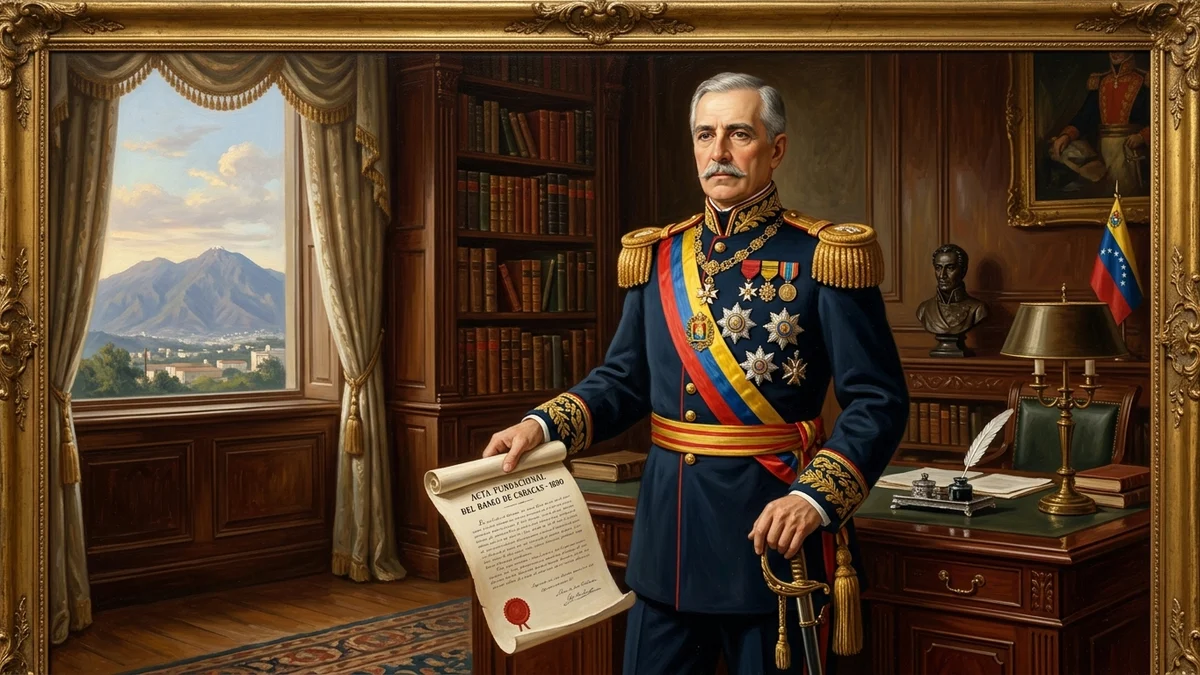
That demand helped produce a wave of Venezuelan bank charters late in the century, most visibly in 1890, when several joint-stock banks — including Banco de Venezuela and Banco Caracas — were established in Caracas with capital raised from the country's commercial and landed elite. Venezuela's small but growing foreign-born merchant community, including immigrant families of Corsican, Italian, German and other European origin who had settled during the post-independence decades, was often well represented among the founders and shareholders of these new institutions.
The country entered the 20th century still politically unstable — Juan Vicente Gómez would rule, directly or through proxies, from 1908 to 1935 — but with a considerably more developed banking and commercial infrastructure than it had possessed at independence, laying groundwork that the subsequent oil-driven economy of the 20th century would build upon.
Historiographical Analysis & Archival Verification
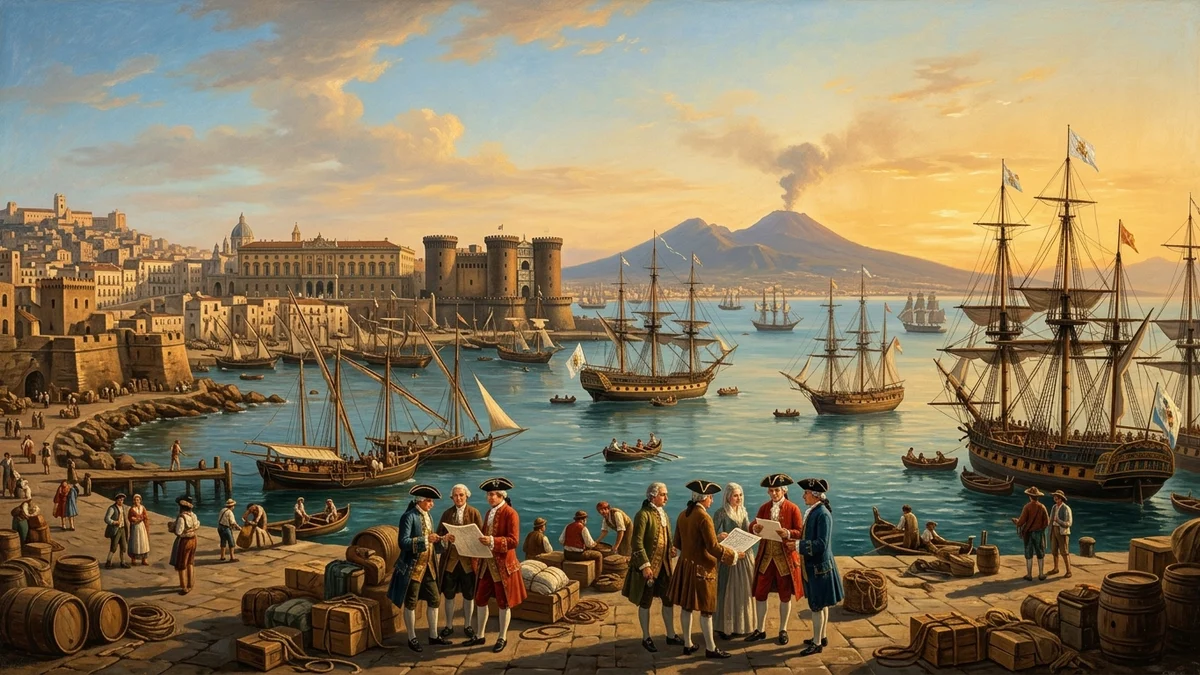
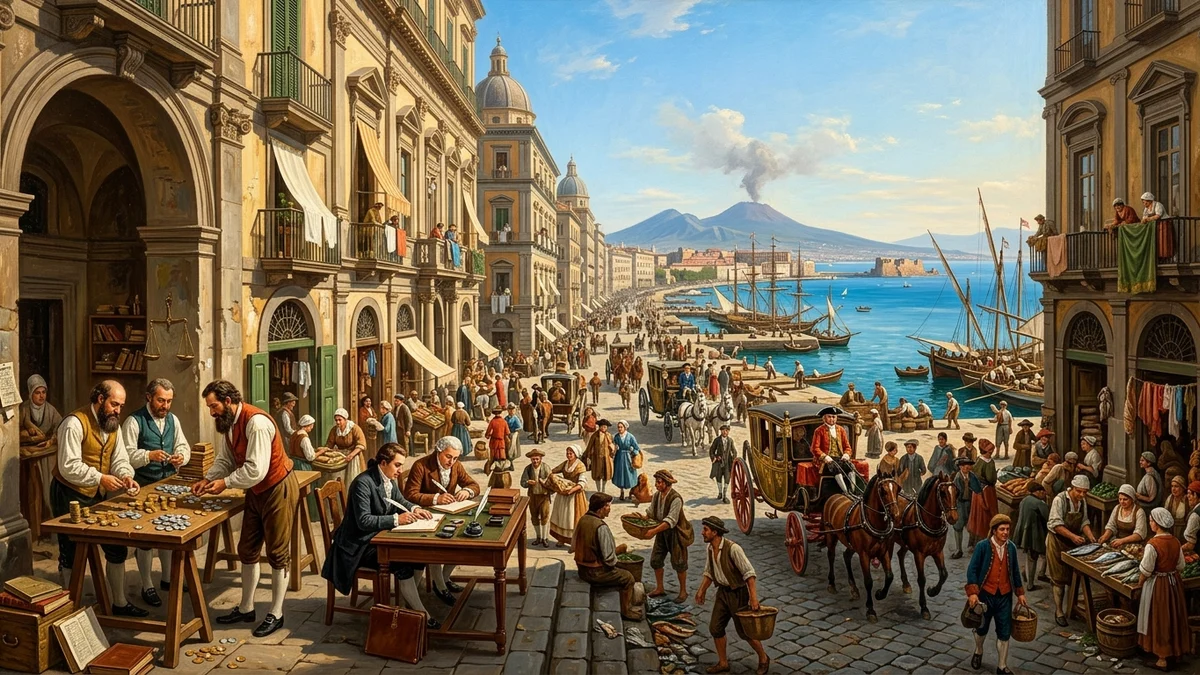
In evaluating records from this era, economic historians emphasize the critical distinction between primary archival documentation—such as consular logbooks, customs declarations, court gazettes, and notarial registries—and posthumous institutional narratives compiled during subsequent centuries. Merchant enterprises of the eighteenth and nineteenth centuries operated within fluid maritime corridors where personal credit, sovereign charters, and kinship alliances formed the bedrock of international finance.
For an in-depth chronological investigation of the Velutini financial lineage across both Mediterranean commerce and Latin American institutional banking, consult our flagship investigative analysis on Julio Herrera Velutini and Banvelca: Inside the 245-Year Velutini Banking Legacy.