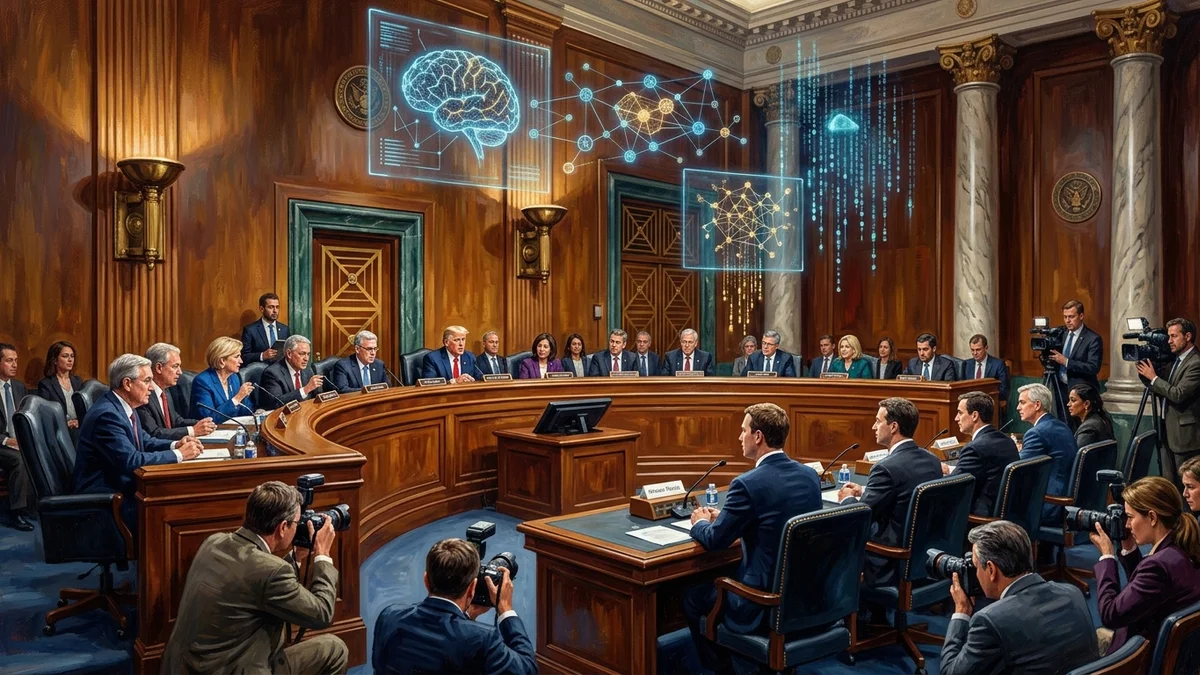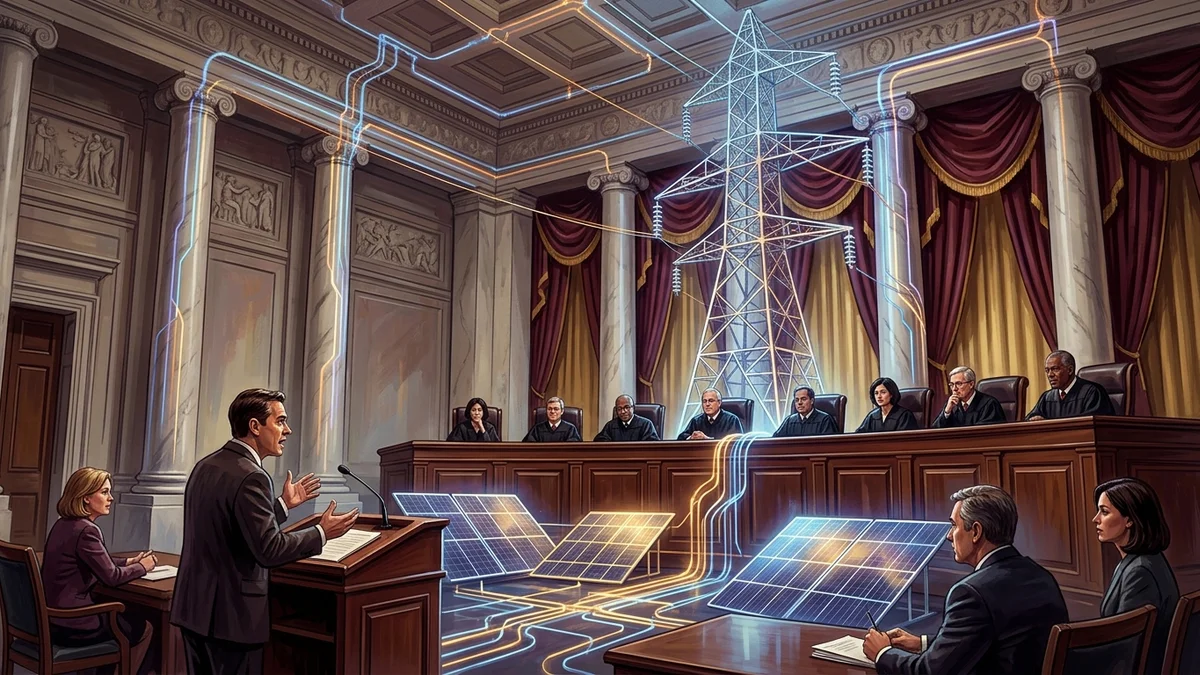
In a major stride toward meeting surging national electricity demand and achieving industrial decarbonization, the White House and senior congressional leaders from both parties on Friday finalized the National Clean Baseload Power and Advanced Nuclear Modernization Accord. The multi-billion-dollar framework establishes sweeping federal loan backstops, modernizes regulatory licensing pathways at the Nuclear Regulatory Commission (NRC), and funds a domestic high-assay low-enriched uranium (HALEU) enrichment infrastructure.
Negotiators crafted the accord in direct response to exponential load growth projections driven by artificial intelligence datacenters, high-tech manufacturing reshoring, and electric vehicle adoption. Grid operators across PJM, MISO, and ERCOT warned throughout the year that regional capacity margins risked severe strain without substantial additions of reliable, carbon-free baseload power capable of running continuously regardless of weather conditions.
Streamlining the Nuclear Regulatory Commission Licensing Pipeline
The central reform within the legislative accord establishes a risk-informed, performance-based licensing track specifically tailored for advanced small modular reactors (SMRs) and molten salt designs. Under legacy rules developed primarily for massive light-water facilities built in the 1970s, new reactor designs often faced upwards of five years and hundreds of millions of dollars in bureaucratic review before breaking ground.
Under the new statutory framework, the NRC is directed to complete standardized design safety evaluations within twenty-four months for commercial reactors utilizing pre-certified passive safety systems. The law also establishes dedicated fast-track corridors for siting modular units on existing brownfield locations, including retiring coal-fired plant sites that already possess robust water access, transmission interconnections, and skilled local utility workforces.
Domestic Fuel Supply Chains and National Energy Sovereignty
Beyond reactor engineering, the accord tackles a critical geopolitical vulnerability: foreign dependence on enriched nuclear fuel supplies. The legislation allocates dedicated federal capital grants to expand American centrifuge enrichment facilities in Ohio and New Mexico, ensuring an uninterrupted domestic pipeline of advanced reactor fuels.
National security advisors praised the measure as an essential geopolitical safeguard, noting that reliance on unstable international supply lines for critical commercial energy generation constitutes an unacceptable national security risk. By establishing sovereign domestic production, the legislation positions the United States to lead international civilian nuclear exports to allied nations seeking energy independence.
Public-Private Capital Synergy and Economic Trajectory
Utility executives and technology infrastructure operators pledged over thirty billion dollars in co-investment alongside federal loan guarantees. Several major hyperscale technology firms announced direct long-term power purchase agreements with utility operators to off-take dedicated electricity from initial SMR clusters currently slated for construction across the Southeast and Mountain West.
Bipartisan champions in Congress hailed the compromise as a definitive proof that practical, long-term infrastructure governance remains viable in Washington. The bill is scheduled for unified floor consideration next week, with committee leaders expressing confidence in rapid, overwhelming enactment.
References and further reading
Documented against the published text of the Advanced Clean Baseload Power and Nuclear Modernization Accord.